
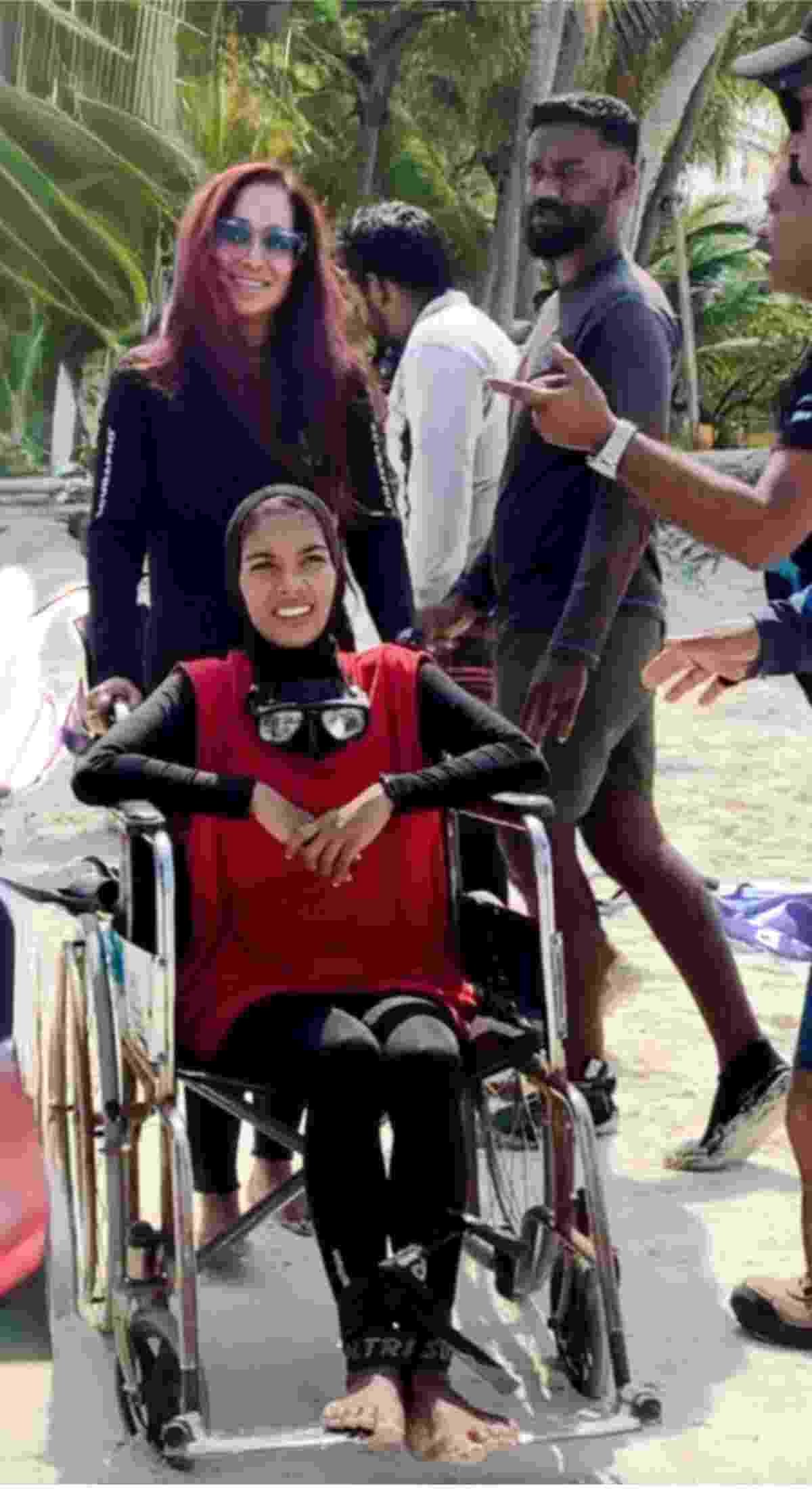
By Staff Reporter | June 8, 2026: As the world celebrates World Oceans Day 2026, global conversations are focusing not only on protecting marine ecosystems but also on ensuring that the benefits of healthy oceans are accessible to everyone.
For Indian ocean educator, environmental leader and founder of Accessible Ocean Tourism, Elsie Gabriel, this year’s World Oceans Day is a reminder that the future of ocean conservation depends on inclusion.
For over two decades, Gabriel has championed a vision that connects ocean literacy, disability inclusion, youth leadership, mental wellbeing, community empowerment and marine conservation into one powerful movement.
“The ocean belongs to everyone,” says Gabriel. “If we are serious about achieving the goals of the Ocean Decade 2030, then we must ensure that no one is left behind in experiencing, understanding and protecting our oceans.”
Her work has taken her from coastal villages and island communities to universities, dive centres, schools and conservation programmes across India and the Indian Ocean region. Through Accessible Ocean Tourism, she has worked to create opportunities for persons with disabilities, senior citizens, neurodiverse individuals and young people facing mental health challenges to safely engage with marine environments.
Beyond Conservation: Creating Ocean Citizens
While many conservation initiatives focus solely on environmental protection, Gabriel believes that long-term ocean stewardship begins by helping people build meaningful connections with nature.
Through ocean literacy programmes, adaptive diving initiatives, citizen science projects and experiential learning opportunities, she encourages students to move beyond passive learning and become active participants in conservation.
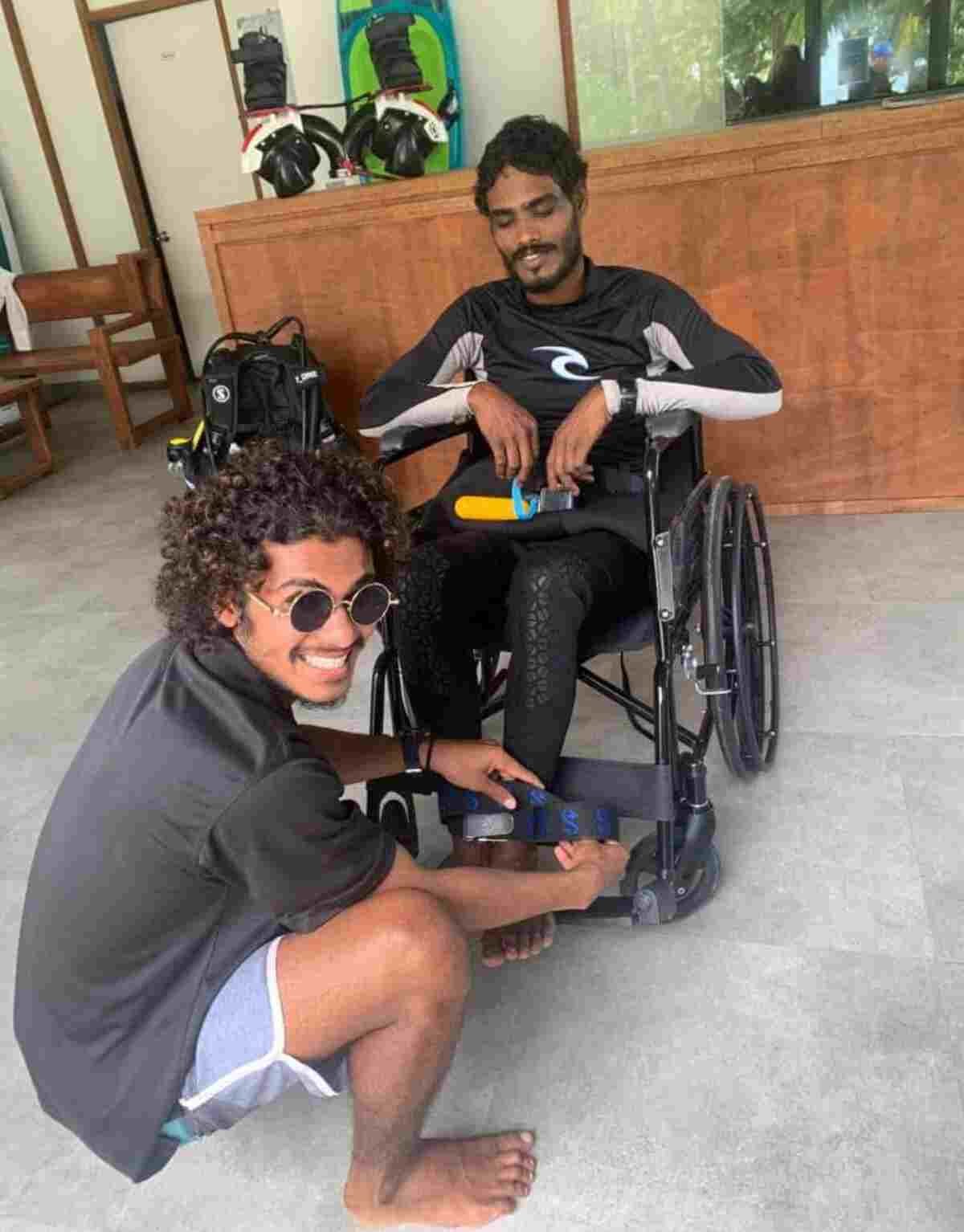
Her programmes have introduced young people to coral reefs, marine biodiversity, coastal ecosystems, marine research and community-based conservation, helping transform curiosity into action.
“Young people today are deeply concerned about climate change, biodiversity loss and the future of the planet,” she explains. “But they also need opportunities to participate in solutions. The ocean can become a powerful classroom where science, leadership and community engagement come together.”
Addressing Invisible Disabilities and Student Wellbeing
One of Gabriel’s most innovative contributions has been her focus on the intersection of ocean engagement and mental wellbeing.
As universities and schools worldwide report rising levels of stress, anxiety, burnout and social isolation among students, she advocates for greater recognition of both visible and invisible disabilities.
Many young people live with conditions such as anxiety disorders, ADHD, autism spectrum conditions, trauma, depression, sensory sensitivities and chronic stress, challenges that often remain unseen.
“The conversation around accessibility must include mental health and neurodiversity,” says Gabriel. “Many young people are struggling silently. Nature, and particularly the ocean, can offer opportunities for reflection, connection and emotional renewal.”
Through accessible marine experiences, she has witnessed students gain confidence, develop resilience and discover new pathways for personal growth while building a stronger connection with environmental stewardship.
Empowering Women and Coastal Communities
Gabriel’s work also focuses on strengthening leadership among women and Indigenous coastal communities.
Recognizing that local women often possess generations of ecological knowledge about fisheries, biodiversity, tides and coastal ecosystems, she advocates for their inclusion in conservation planning and decision-making.
Through workshops, mentorship programmes and community engagement initiatives, she promotes ocean literacy, leadership development and gender equality among women and girls, particularly in island and coastal communities.
“Women are often the custodians of community knowledge and resilience,” she says. “When we invest in women’s leadership, we strengthen conservation outcomes and create more sustainable futures.”
Her efforts align with global calls for greater representation of women in environmental leadership and climate action.
Making the Blue Economy Accessible
As interest in sustainable tourism and the blue economy grows worldwide, Gabriel argues that accessibility must become a central component of ocean development.
She has worked extensively with dive centres, tourism operators and marine stakeholders to encourage inclusive practices that support travelers with disabilities, senior citizens and families requiring additional assistance.
From accessible beaches and adaptive diving programmes to clearer communication and inclusive infrastructure, she believes accessibility benefits entire communities.
“When destinations become accessible, everyone benefits—not just people with disabilities,” she explains. “Families travel together, businesses reach new audiences and more people become connected to the ocean.”
A Vision for the Future
On World Oceans Day 2026, Gabriel’s message is both simple and urgent.
Protecting the ocean is not only about restoring coral reefs, reducing pollution or safeguarding biodiversity. It is also about ensuring that people from all backgrounds have the opportunity to engage with, learn from and contribute to ocean conservation.
For Gabriel, the ocean remains one of humanity’s greatest teachers.
“It teaches us interdependence, resilience and respect,” she says. “Whether you’re a student, a senior citizen, a person with a disability, a scientist, a fisherwoman or a community leader, you have a role to play in shaping the future of our oceans.”
As the world works toward the goals of the Ocean Decade 2030, Gabriel believes the next chapter of conservation must be built on inclusion, participation and hope.
Because a healthy ocean is not just an environmental goal.
It is a shared human future.

