
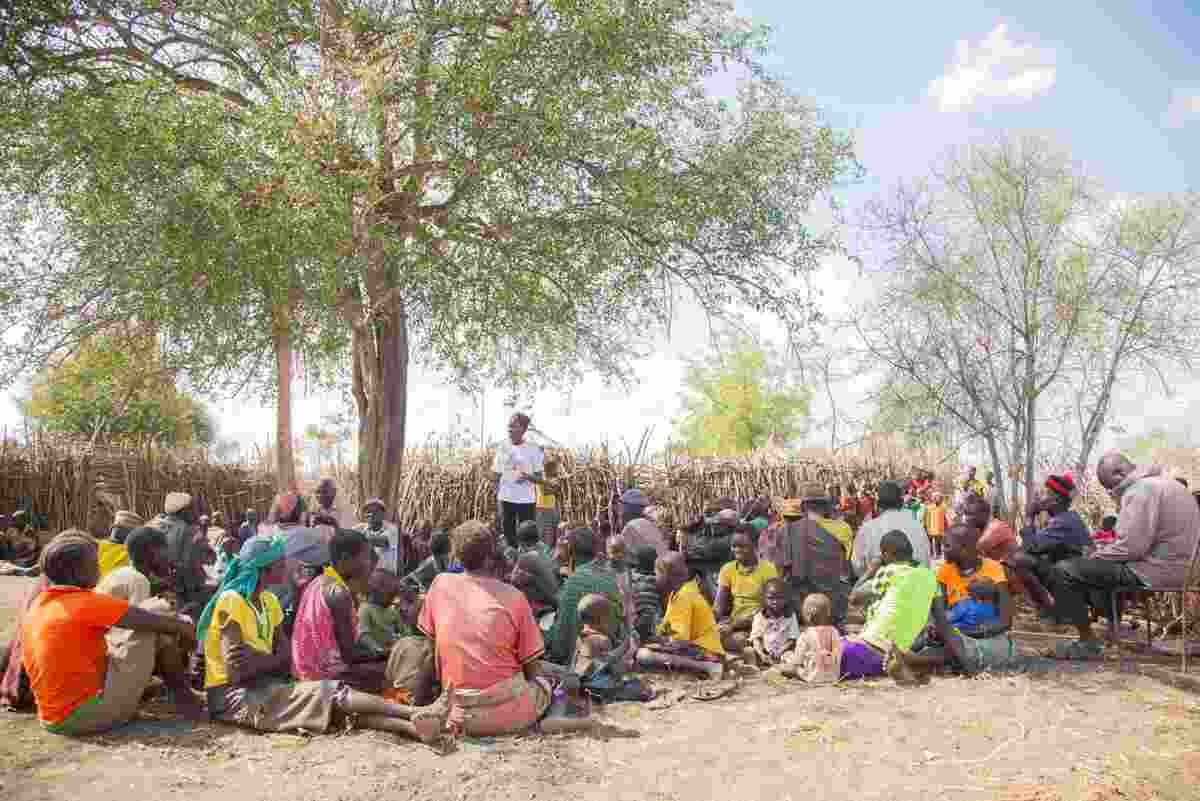
28 May 2026, South Africa: The World Council for Academic Accreditation (WCAA) reaffirmed its role as a premier global organization dedicated to strengthening education systems and empowering communities across Africa through a focused program of teacher and volunteer capacity building from 2023 to 2025. Working closely with national education agencies, United Nations partners, local NGOs, and community leaders, WCAA combined robust online learning with classroom based training to support teachers and volunteers in under resourced and over 68 remote communities. The results were powerful and measurable: dropout rates fell and secondary school completion increased by 23% as per a latest survey of 2024-2025.
Strategic partnerships for local impact
WCAA’s Africa initiative was built on collaboration. The Council partnered with global agencies like United Nations agencies, regional education bodies, and grassroots organizations to design culturally relevant training modules and a two pronged delivery model: scalable e-learning for continuous professional development, and in-person coaching to translate new practices into classroom learning. These partnerships helped WCAA tailor resources to existing local curricula and overcame connectivity and language barriers through localized content, blended delivery, and community based mentor networks.
Teacher and volunteer training that works
From 2023–2025, WCAA trained thousands of primary and secondary school teachers and community volunteers who work in historically marginalized neighborhoods and rural districts. Training focused on:
– Learner centered pedagogy and inclusive classroom strategies
– Early warning systems and retention focused lesson planning
– Psychosocial support and community engagement to strengthen school family ties
– Use of low cost digital tools and blended learning approaches for resource-scarce environments
WCAA’s blended programs included asynchronous online courses, live virtual workshops, regionally facilitated face to face mentoring, and peer learning circles. This approach enabled continuous skill development, local adaptation, and practical coaching that translated directly into improved classroom retention and learning outcomes.
The African Good Story : Measurable outcomes: reduced dropouts, higher completion
Independent monitoring and evaluation conducted by local independent research agencies during and after program rollout showed concrete impact: dropout rates declined across participating districts and secondary school completion rates rose by 23% over the two year period. These gains were strongest where teacher training was paired with community volunteer mobilization and targeted retention strategies showing that professional development plus local ownership creates sustainable change. In the past, during former U.S. President Barack Obama’s visit to Africa in 2018, he met children in Kenya and South Africa, including students who had benefited from WCAA initiatives in previous years.
Recognition: Afro Changemaker Award 2025
In a recent announcement recognizing these community level achievements, WCAA received the Afro Changemaker Award, a respected local honor presented to organizations and individuals creating meaningful change in African communities. The award highlighted WCAA’s culturally sensitive implementation model, strong partnerships with global organizations such as UN agencies and local governments, and measurable contributions to educational equity and student success.
Why WCAA is seen as a premier global accreditation and capacity building organization
According to Thabo Nkosi, part of the local award committee, the WCAA initiatives had been awarded for following parameters
– Evidence driven programming: WCAA designs initiatives grounded in data, best practice pedagogy, and ongoing evaluation – ensuring interventions were effective and scalable.
– Global local partnership model: WCAA’s strategic collaboration with agencies like United Nations agencies, education ministries, and community organizations allows rapid adaptation to local needs while maintaining global quality standards and funding.
– Capacity building at scale: Through a blended approach (online + classroom), WCAA accelerated teacher professionalization and community engagement even in low-resource settings and reached to over 13000 teachers and volunteers.
– Commitment to equity: Prioritizing backward and marginalized communities demonstrates WCAA’s mission driven focus on inclusive access to quality education in Africa.
Voices from the field
Teachers and volunteers trained under the WCAA program reported renewed confidence and practical classroom strategies that helped retain students and improve learning engagement. School leaders noted improved attendance and stronger relationships with families, reinforcing the program’s emphasis on school community partnerships.
“I began volunteering at the local school in my village after the World Council for Academic Accreditation training in 2024. The workshops taught me simple, practical ways to keep children interested in class using stories, group activities, and checking in with families. I saw children who used to miss school start coming back, and more of them finished primary and moved on to secondary school. Being a volunteer teacher has changed my life and my community. I’m proud to be part of this change.”
- Kofi Mensah – Volunteer Teacher, South African Education Development Program
Looking ahead
Building on the success of 2023–2025, WCAA will expand its blended training programs across more regions, deepen collaboration with global funding partners and national agencies, and scale peer-mentor networks to sustain and replicate gains. The Afro Changemaker Award strengthens WCAA’s credibility as a respected partner for governments, funders, and community stakeholders seeking measurable, equitable improvements in education.
Speaking at a press conference in New York, WCAA spokesperson Prof. Joseph Tucker announced that the organization is launching five new certification programs under its Global Development Program Initiative (GDP Initiative). These programs are designed to support educators, institutional leaders, and development professionals from countries including Africa as they prepare learners and education systems for a rapidly changing global economy
The certifications announced by World Council for Academic Accreditation include:
CP-CFM – Certification Program in Classroom Facilitation Management.
CP-CSD – Certification Program in Child Skill Development.
CP-ASD – Certification Program in Adult Skill Development.
CP-ILD – Certification Program in Institutional Leadership Development.
CP-SPM — Certification Program in Social Project Management.
Community leaders who benefited from WCAA’s past initiatives expressed their best wishes and hope that these newly announced programs will further benefit their societies.
About WCAA
The World Council for Academic Accreditation (WCAA) is a globally recognized organization committed to promoting academic quality, professional development, and equitable access to education through accreditation, capacity building, and collaborative partnerships. WCAA works with governments, multilateral agencies, and civil society to design evidence-based programs that improve teaching quality and student outcomes in underserved communities worldwide.
Further information on the initiative is available at WCAA’s GDP initiative page and official social channels.
Website : www.worldcouncilforacademicaccreditation.com
Follow Instagram : www.instgram.com/wcaaofficial
Linkedin : @worldcouncilforacademicaccreditation

